
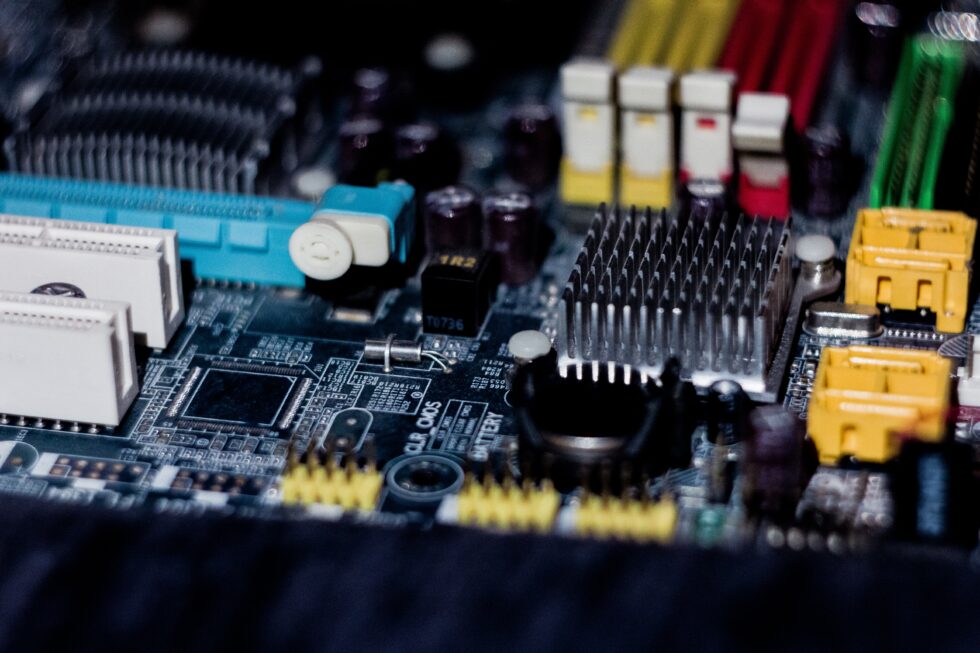
The technological world is empowered by a tiny chip that happens to be extremely difficult to get a hold of.
Everything from phones to cars have a chip, in order to operate. Even some of the least suspecting items have this chip, such as a refrigerator and electric toothbrush. These helpful items in our lives are now the Electronic Component Industry has a major Chip Shortage.
The global supply chain is in crisis and there’s never been anything of this magnitude before. Car companies are being disrupted, such as Nissan making 500,000 less vehicles and General Motors pickup production being interrupted. Major technological brands, such as Apple and Intel are going to see the effects in providing supply for their customers.
How Do These Chips Impact the World?
These little chips are the brains of the technological world. Tiny marvels containing billions of transistors within them, more than 100 billion chips being used daily around the planet.
Demand for these chips have always exceeded supply, but now the proportions are exceedingly disproportionate. During the COVID-19 pandemic, factories that produced the chip closed. Orders for the chips could not be met, in which back orders grew and grew.
Unfortunately, this means higher prices for less goods. Manufacturing of the chips isn’t the only issue with COVID-19 causing ports to shut down. China’s Yantian port recently closed, leaving hundreds of ships waiting to dock.
Because of the backlog of commodities waiting to be exported, bottlenecks occurred after the ports reopened. Many elements of the transportation supply chain lack the ability to manage the increased demand or the resulting labor shortages, further complicating the situation.
Where Did The Chip Shortage Begin?
As the pandemic hit, an explosive surge for a demand in devices began. A triple threat of bad decisions, bad luck, and increased demand created the shortage. People were spending more time at home than ever before, using more tablets, phones, and other streaming devices. The demand outgrew what manufacturers could deliver.
The scarcity was exacerbated by the automobile industry. When COVID first arose, several corporations canceled their chip orders because they thought the economy was about to tank. In order to meet the pandemic’s rising demand, chip firms resorted to developing chips for consumer products.
There aren’t many chip production plants in the world, and the few that were up and operating during the epidemic were hit by a succession of bad weather events, further delaying the process.
How The Chip Shortage Impacts the World
Many devices that require a semiconductor will undoubtedly have higher prices, some products will not ship at all or will be delayed. The auto industry is taking a beating, with projections predicting that US automakers would produce 1.5 to 5 million fewer vehicles this year. Ford and GM have already put a cap on output.
Consumer electronics businesses, such as Apple and Samsung began hoarding chips early on to avoid the massive delays seen by the auto sector. Apple recently indicated that the chip shortage is projected to delay iPhone production and is already affecting iPad and Mac sales. Also, in low supply are Xboxes and Playstations. It’s going to be a difficult holiday season. One thing I would warn customers about is that you won’t find the variety you’re used to.
Quality is the focal point of Pacific Component Xchange, Inc. From our many certifications to our industry famous 67 step Star Quality Program, we deliver the right product at the right time. At PCX, we continuously improve our processes in order to meet and exceed our customers’ expectations. All employees understand what our customers expect and they provide our customers with the best service.
All PCX processes are continuously re-evaluated and upgraded to reflect changing customer expectations, ensuring only the highest quality of products and services are delivered to them.