
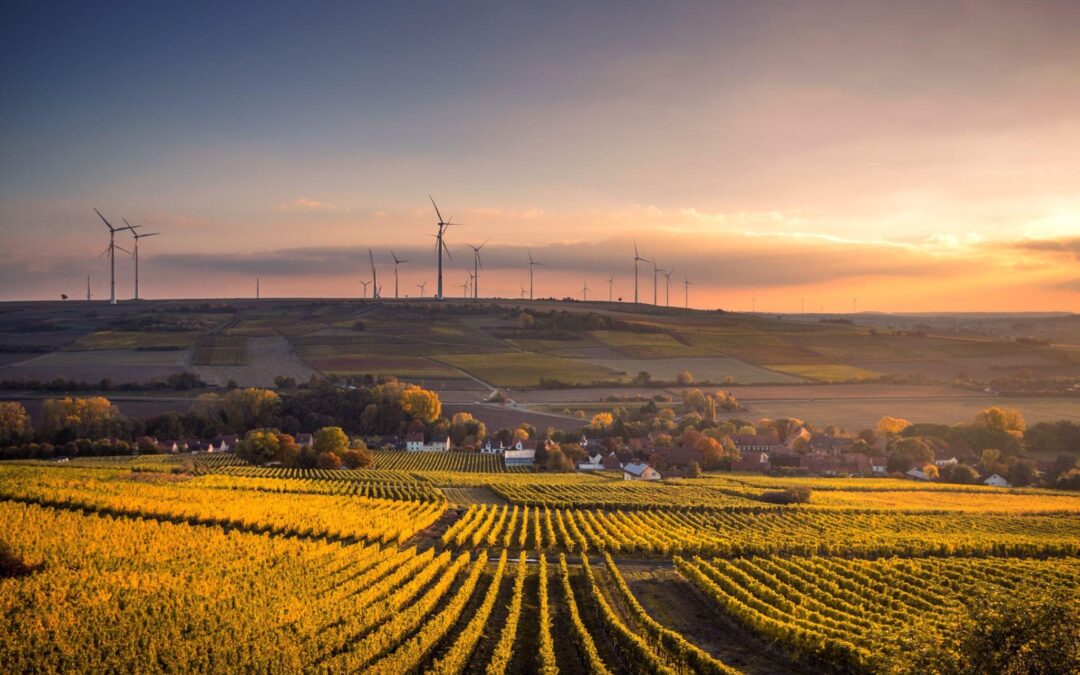
THE Global Move Toward Renewables
While renewable energy started growing at a fierce pace in 2021, what will happen in 2023? With nuclear fusion becoming more of a possibility, some scientists and researchers hope the world will be powered by clean, renewable energy well before nuclear fusion takes over. When it comes to renewable energy, we should consider a few things in looking at the market and where it’s headed.
Renewable Energy Statistics
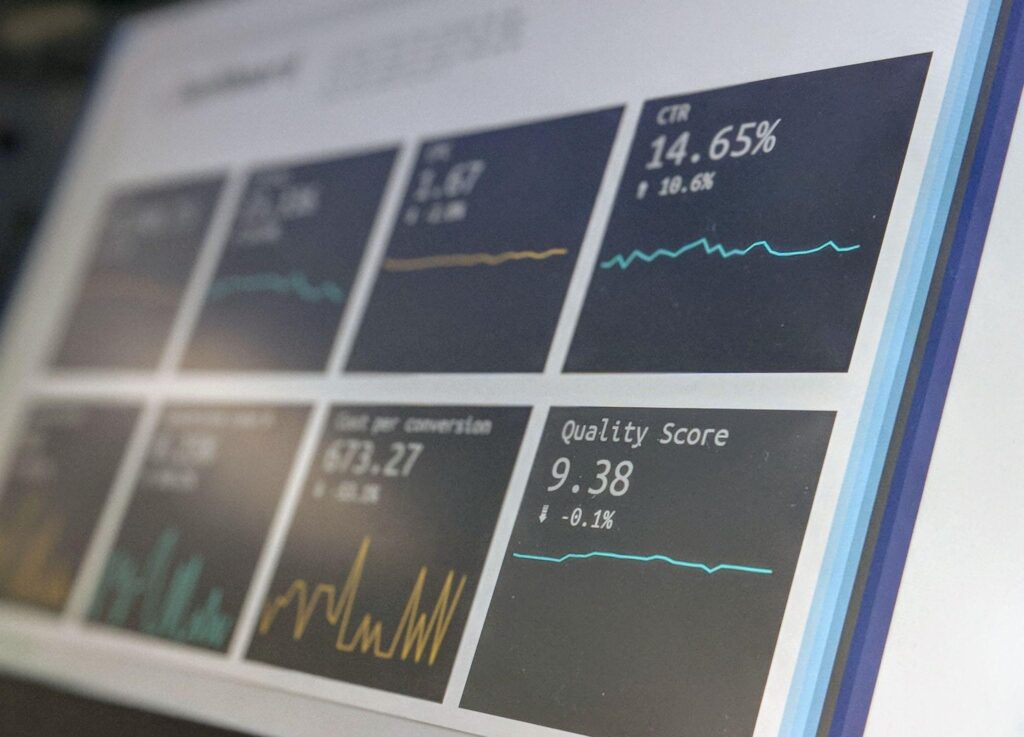
The global renewable energy market is expected to continue its upward growth over the following years, reaching $1.1 trillion by 2027. Environmental concerns regarding fossil fuels, rapid urbanization and economic growth in emerging regions are all significant factors contributing to the projected market growth. Forbes explains, “Despite the largest decline in primary global energy consumption since World War II, global renewable energy consumption grew by 9.7% in 2020. That was remarkable, given how significantly the pandemic impacted total energy demand.”
How Commercially Competitive is Renewable Energy?

The United States alone cannot curb the world’s carbon dioxide emissions. The War in Ukraine has engineers looking at ways to bring more power generation within country borders in order to be less reliant on outside sources. Because there are no technical barriers to replacing fossil fuels with renewable energy, as many as 164 countries have projects to replace one energy source at a time with onshore and offshore sources. So, for now, renewable energy is more cost-competitive than commercially competitive–especially, if countries continue to push for legislation that supports clean energy and deploy policies supported by the UN that drive down costs.
Renewable Energy Trends To Keep An Eye On
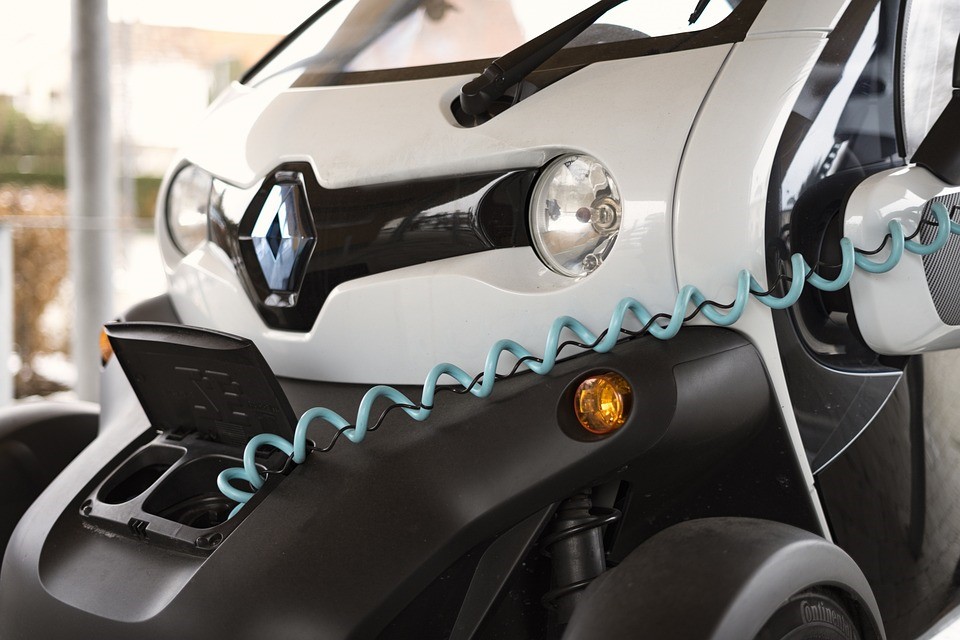
More than ever, countries are combining energy sources to get away from fossil fuels. For instance, Sweden will likely be 100 percent powered by renewable electricity by 2040. Countries like Costa Rica and Iceland are also largely reliant on renewable energy. According to The Climate Council of Australia, “Costa Rica uses hydro, geothermal, wind, biomass and solar power to get the job done.” Iceland also uses geothermal power to heat homes, and the UN has even suggested this might also be a great model for other countries to switch.
AI could also help optimize renewable energy transition with more efficient integration. Battery storage will continue to be critical in the development of electric cars and AI optimization. However, Reuters explains, “ Supply chain issues stemming from the prevailing geopolitical and economic conditions have caused significant disruptions to renewables development in 2022.” Despite the obstacles, the renewable energy market will continue to grow.
PCX offers you the latest tech news. Check out the latest blogs to stay up-to-date on everything happening in the global economy.