
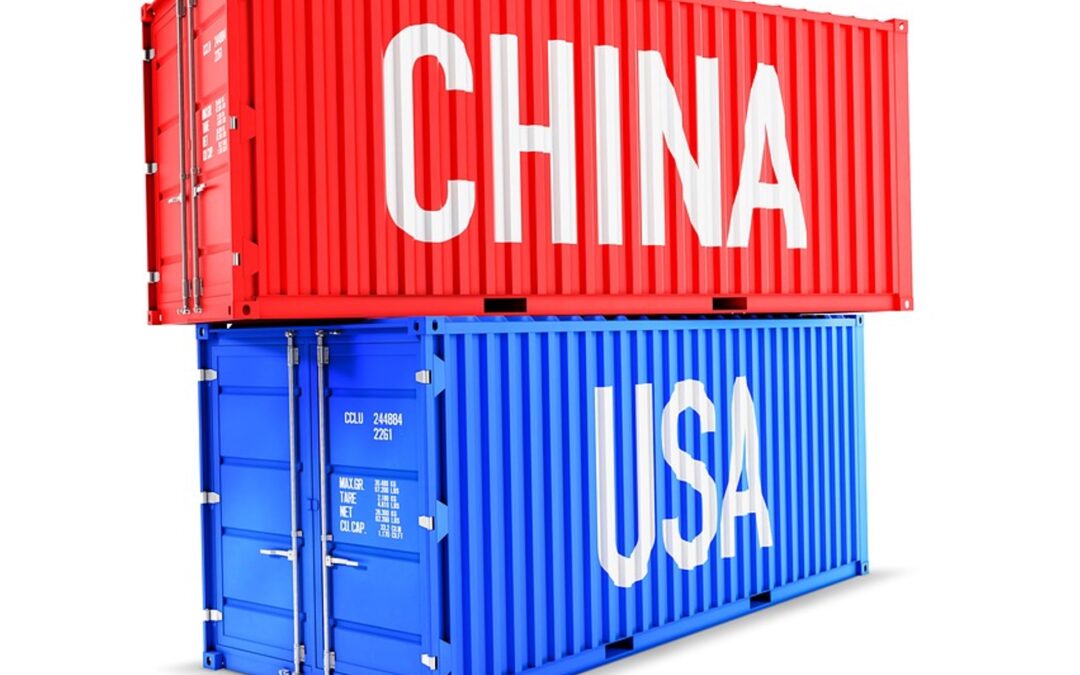
Harsher Chip Sanctions Needed
The United States has been in a technological rivalry with China for many years. Mature-Node Chips are conceivably the most essential part of this techno-economic competition. Consequently, China is hoping to dominate the global chip market with a $143 billion government support package to ramp up production. In addition, the United States will need harsher penalties alongside the CHIPS Act in order to keep China from producing more and more of these chips.
The CHIPS Act
The CHIPS Act was introduced as a means to counter China’s growing lead on the industry. According to Bloomberg, “The $50 billion CHIPS and Science Act will now bar firms that win grants from expanding output by 5% for advanced chips and 10% for older technology. The Commerce Department also outlined other measures including a $100,000 spending cap on investments in advanced capacity in China.” However, some people in Washington see the move as the U.S. supply chain dominating a key square in the game of semiconductors–and some Chinese strategists believe it will give Bejing a reason to call checkmate on the United States and its allies.
China’s Growing Position

These new rules simply won’t stop China from dominating in the sector because mid-range chips are vital for everyday electronics and vehicles. Foreign Policy claims, “China’s’28-nanometer chip production, with new facilities in Shanghai, Beijing, Tianjin, and Shenzhen all slated to come online in the next two years.” Ultimately, giving China the ability to produce double of the world’s 28-nanometer chip in only a few years. China will also force out international competition with its artificially low prices. The question remains: how can Washington prevent China from using these nodes as economic leverage?
How Washington Can Prevent Semiconductor Domination
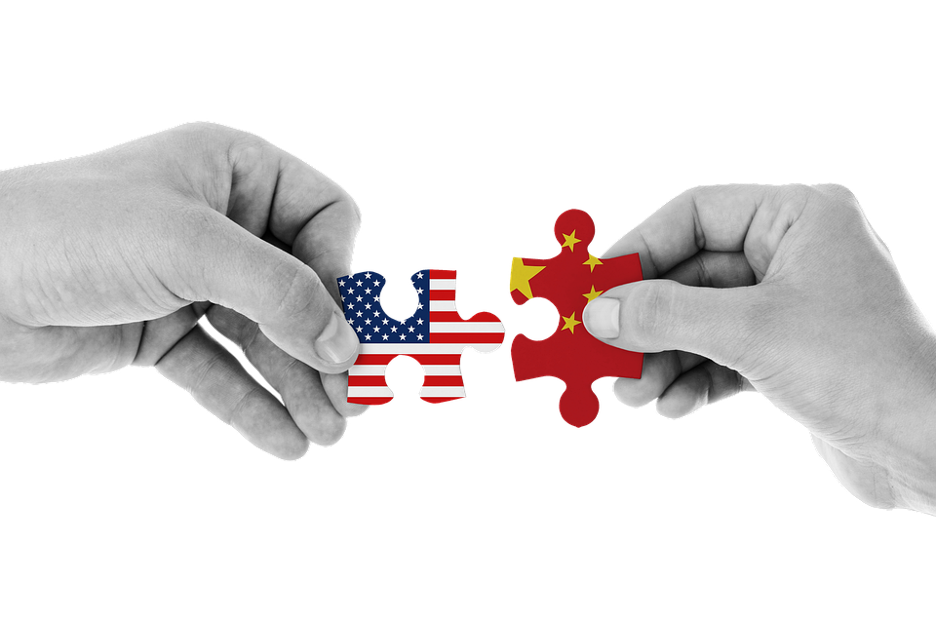
Simply put, the U.S. needs to halt China’s ambitions with one move. According to Foreign Policy, “Washington could prevent this outcome by revising the current 16-nanometer standard in the emerging export control regime upward to 40 nanometers. In practice, this would mean that U.S. companies and engineers would be prohibited from assisting China with these nodes. Japan and the Netherlands would also have to ban all sales of immersion lithography machines to China. This new standard would put China’s semiconductor ambitions on warning.”
With over 28 years of experience in the Independent distribution market, Gilles Aouizerat has built PCX into a respected and successful company with a focus on satisfying customers. If you’re looking to boost your semiconductor supply chain we offer defense logistics, military packaging, and technological superiority.