

Record Semiconductor Materials Spending Is a BOM Planning Signal
Semiconductor materials spending has become a useful early signal for sourcing teams because it sits close to the manufacturing reality: wafers, gases, chemicals, substrates, photoresists, packaging materials, and other inputs have to scale before finished devices reach a board-level BOM. The latest signal is notable, but it needs to be read carefully.
Evertiq reported, citing SEMI, that global semiconductor materials revenue rose to USD 73.2 billion in 2025, up 6.8% year over year. DigiTimes also reported the same top-line SEMI figure. The buyer takeaway is not that every semiconductor is about to become easier to source. It is that manufacturing intensity, advanced-node demand, packaging complexity, and high-performance computing requirements are continuing to shape where pressure can appear.
What changed overnight
The reported record is a materials-market signal, not a finished-component availability report. Evertiq’s article says the 2025 increase was supported by growth in both wafer-fab materials and packaging materials. It also links that growth to higher process complexity, advanced-node demand, and continued investment in high-performance computing and high-bandwidth memory manufacturing.
That distinction matters. Buyers often see fab, wafer, and materials headlines and ask whether current lead times will improve. Sometimes they will; often the answer is slower and more part-specific. Materials spending can show where manufacturers are preparing for richer process flows or more packaging steps, but it does not automatically remove constraints in a specific PMIC, MCU, memory device, FPGA, connector, passive, or discrete semiconductor already sitting on an approved BOM.
What this means for PCX buyers
For PCX buyers, the practical signal is less about the headline number and more about exposure mapping. A record semiconductor materials market suggests that the industry is still feeding more complex manufacturing and packaging requirements. That can matter most when a BOM depends on devices tied to advanced packaging, high-density memory, AI infrastructure, data-center power, or process nodes where capacity and qualification are not interchangeable.
The right response is a focused BOM review. Identify the parts where a missed delivery date would stop production, then ask whether those parts are tied to single-source suppliers, long qualification cycles, limited alternates, or demand from high-performance computing programs. For many OEMs, the highest-risk line is not the most expensive device. It is the part with limited approved alternatives, weak demand visibility, or documentation requirements that slow any last-minute substitution.
Where the signal can show up on a BOM
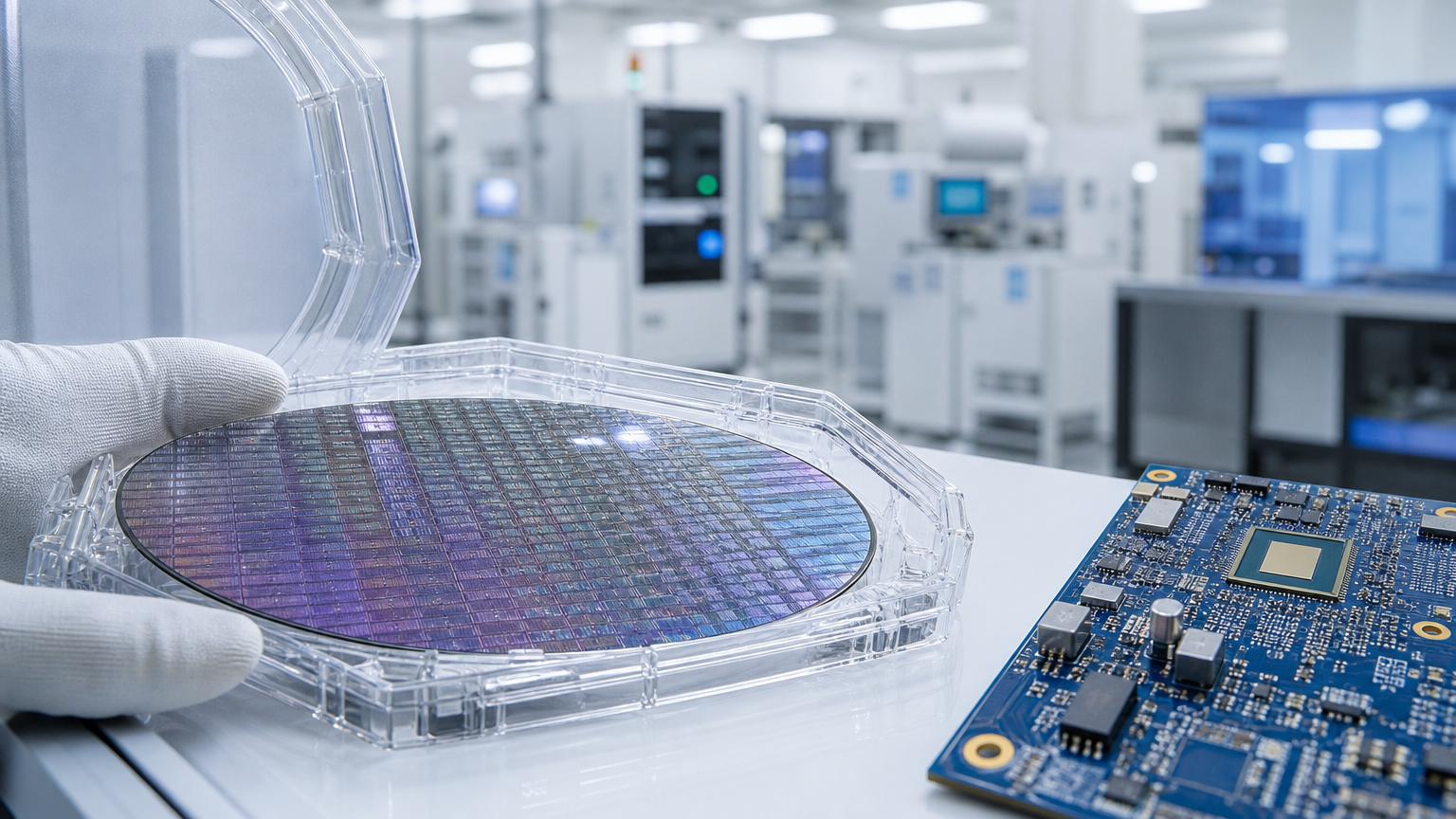
Materials growth does not hit every component family the same way. Wafer-fab materials are more closely tied to device manufacturing, while packaging materials matter when demand moves toward advanced packages, high-bandwidth memory stacks, substrates, and dense interconnect between compute and memory. For board-level teams, that makes the signal relevant to integrated circuits, memory, power management devices, logic, FPGAs, analog parts, and some high-density assemblies.
It can also matter indirectly. AI server and high-performance computing programs can pull attention, materials, packaging capacity, and engineering resources toward a narrower group of high-value devices. That does not prove a shortage in unrelated parts, but it can make sourcing teams more cautious about parts that share supplier capacity, package technology, test resources, or substrate ecosystems. The issue to watch is not only whether a manufacturer can build wafers. It is whether the exact qualified device, package, speed grade, temperature grade, and documentation package can be delivered on the buyer’s schedule.
How to respond without panic buying
A materials record should not trigger broad spot buying. It should trigger better questions. Which MPNs are already showing longer quoted lead times? Which lines depend on one package style or one approved manufacturer? Which alternates are technically acceptable but not yet documented? Which devices need engineering approval before procurement can act? And where would a rushed open-market buy create avoidable quality or traceability risk?
PCX’s role in this kind of environment is to help buyers translate a market signal into a sourcing workflow. For semiconductor-heavy BOMs, that often starts with reviewing integrated circuits and related IC categories, then sorting parts by production criticality, qualification difficulty, and availability risk. If an urgent buy becomes necessary, the sourcing process should still include verification, documentation, and inspection discipline rather than relying only on speed.
Keep quality in the sourcing decision
When market signals become noisy, counterfeit and quality risk can rise because buyers are tempted to move faster than their normal controls allow. The safer discipline is to separate market awareness from purchase approval. A materials-market record can justify earlier review, but it does not justify skipping supplier checks, traceability questions, packaging inspection, or documentation review.
That is especially important for hard-to-find semiconductors, memory, power devices, and other board-level components where the same MPN may appear through different channels with different documentation histories. PCX’s Star Quality Program is relevant when urgency and verification have to stay in the same conversation.
PCX buyer takeaway
The materials-market record is a planning signal. It says the semiconductor ecosystem is still investing in more complex and materials-intensive production, especially around wafer-fab and packaging inputs. It does not say that current availability is broadly improving or worsening for every component family.
For sourcing teams, the useful move is to turn the signal into a short list: the ICs, memory devices, power-management parts, analog components, FPGAs, and other board-level parts where delivery timing, qualification, or verification would create the most risk. If that review exposes a near-term gap, buyers can send PCX the parts list for BOM review and sourcing support while keeping quality and documentation requirements visible from the start.