
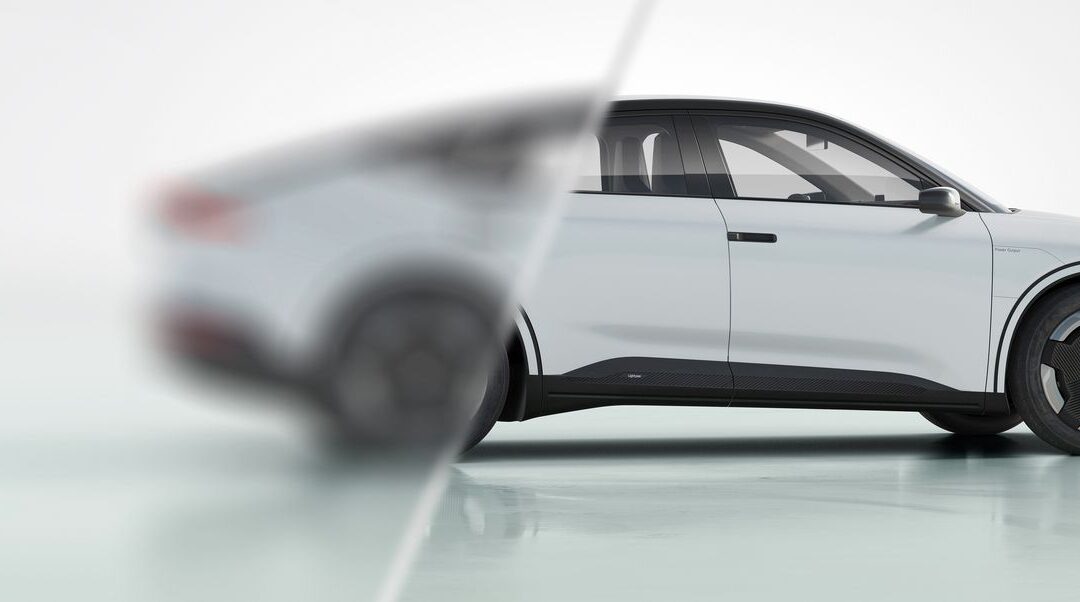
Solar Electric Car Innovation
Solar power is renewable, has no carbon footprint, and delivers a lot of energy. So, why don’t we drive solar powered cars already? The Dutch startup, Lightyear, set out to deliver just that–a solar powered electric vehicle. The project received funding from the European Union’s Horizon 2020 research and innovation program under a grant agreement. The hype was real, the production was real, the pre-orders very real, so where is Lightyear 0?
Lightyear Solar Car Technology
Lightyear’s concept was to develop a four-door electric car, with over 50 square feet of solar panels on the hood and roof, that can generate up to 43 miles worth of electricity per day–all while you drive. The focus was on clean mobility everywhere for everyone. However, with a price point of 250,000 Euros, approximately $267,000, it wasn’t all that affordable.
Lightyear One Fizzles Out

The long awaited Lightyear 0 has been phased out of production only two months after it started. Why? Lightyear decided to focus on a more affordable version called Lightyear 2 due to several macroeconomic factors. From semiconductor shortages, battery supply issues, and rising cost of materials, due to inflation and supply chain issues, the company had to look at the long-term demand of a solar powered EV. Seeing that Lightyear 0 had an MSRP six times that of the Tesla 3, the company decided to safeguard its vision with Lightyear 2.
The Birth of Lightyear Two
With 500 miles of range between charges, three times less charging than a conventional EV per year, and a $40,000 target starting price, what’s not to love about Lightyear 2? According to Lightyear, “Recently, we launched a waitlist for Lightyear 2 resulting in more than 40,000 subscriptions of individual customers and we already had approximately 20,000 pre-orders from fleet owners. We hope to conclude some key investments in the coming weeks in order to scale up to Lightyear 2, an affordable solar electric vehicle available for a wider audience. Therefore we strongly believe that the decision taken is the best way forward in achieving our vision, providing clean mobility for everyone, everywhere.”
With partners such as NXP Semiconductors and Koenigsegg, Lightyear is developing prototypes faster for their high-volume series of solar EVs. After six years of research on Lightyear 0, the goal is a shorter time to market. Yet, we likely won’t see Lightyear 2 until 2025, seeing that its operating company, Atlas Technologies, just declared bankruptcy two weeks ago.
Follow PCX on social media for more up-to-date news on trailblazing technologies.