

Continuing Issues with Inflation and the Supply Chain
Supply chain issues will continue to be passed to the consumer thanks, in part, to warehouse issues. We all know the pandemic surge caused our warehouses to become bloated with inventory. Thus, the domino effect has caused problems in other markets, such as construction, due to delivery times and limited containers. And, this year’s Consumer Price Index continues to warn us that these issues are far from over.
A New Inflation Warning
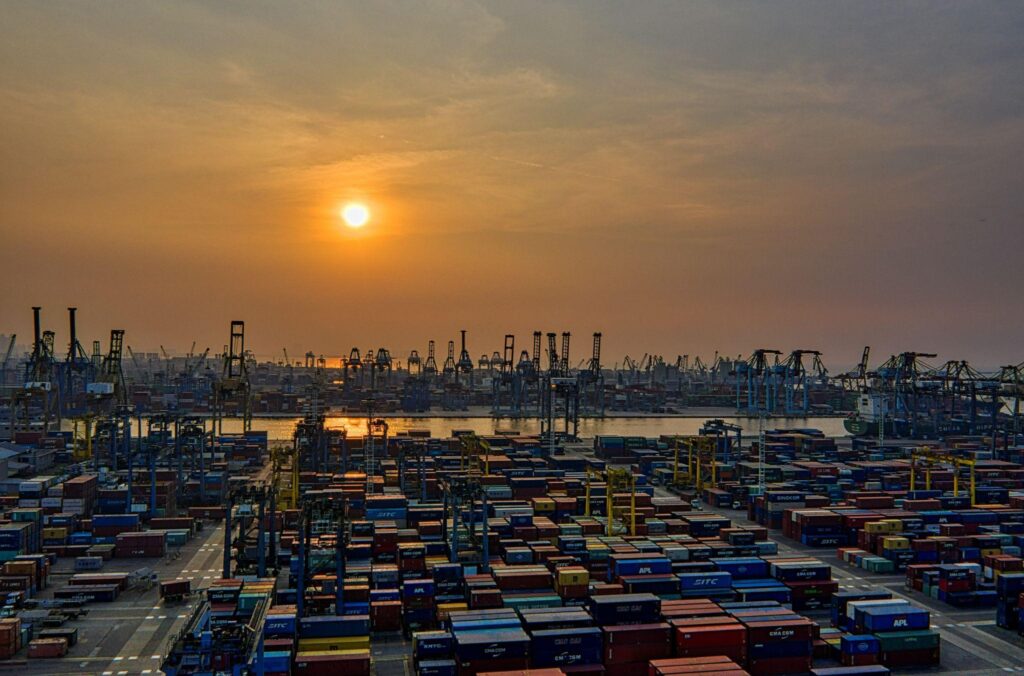
In recent news, we’ve seen multiple headlines that allude toward prices falling on goods. However, warehouse capacity has caused consumer goods to be held in shipping containers. While there is an allotment of free time in which these containers can remain out of port, eventually companies are charged a per diem when that time expires.
According to CNBC, “The market is starting to sense that the very comforting disinflation story is more complex than we would like it to be,” Mohamed El-Erian, Allianz chief economic advisor, told CNBC’s “Squawk Box” on Monday morning. “The comforting story was simple: Goods disinflation continues and service inflation comes down, that wonderful concept that Chair Powell calls core services, ex-housing, comes down and, lo and behold, we don’t have an inflation problem. Now we’re starting to see certain goods reverse this inflationary process so there’s more uncertainty about inflation.”
The Consumer Price Index
With the global economy facing considerable challenges, the Consumer Price Index reports that inflation isn’t slowing down anytime soon. “The annual inflation rate in the US slowed only slightly to 6.4% in January of 2023 from 6.5% in December, less than market forecasts of 6.2%. Still, it is the lowest reading since October of 2021, with energy prices rising 8.7% while food cost went up 10.1%. Although inflation has shown signs of peaking at 9.1% in June last year, it remains more than three times above the Fed’s 2% target and continues to point to a broad-based advance on the general price level, particularly services and housing. In January, the CPI in the US reached 299.170. By the end of this quarter, the CPI is expected to be 304.75 points,” according to Trading Economics global macro models and analysts’ expectations.
Tips to Help Your Supply Chain Thrive

While small businesses make up a large part of the U.S. economy, they will be the last to see inflationary elements decline. What can you do to continue to thrive in the current market?
- Turn your supply chain management into financial management by watching the Producer Price Index.
- Fine tune your supply chain inventories according to market research to optimize the form and function of your inventory.
- Instead of layoffs, consider shifting your focus from growth to balance of growth and profitability.
- Model your long-term demand off the CPI and PPI to improve your supply chain strategy in the future.
- Build better relationships with your suppliers by implementing a central version of the truth for all communication.
We offer a central line of communication to all of our customers. Simply because, if Pacific Component Xchange can’t find it–it doesn’t exist.