
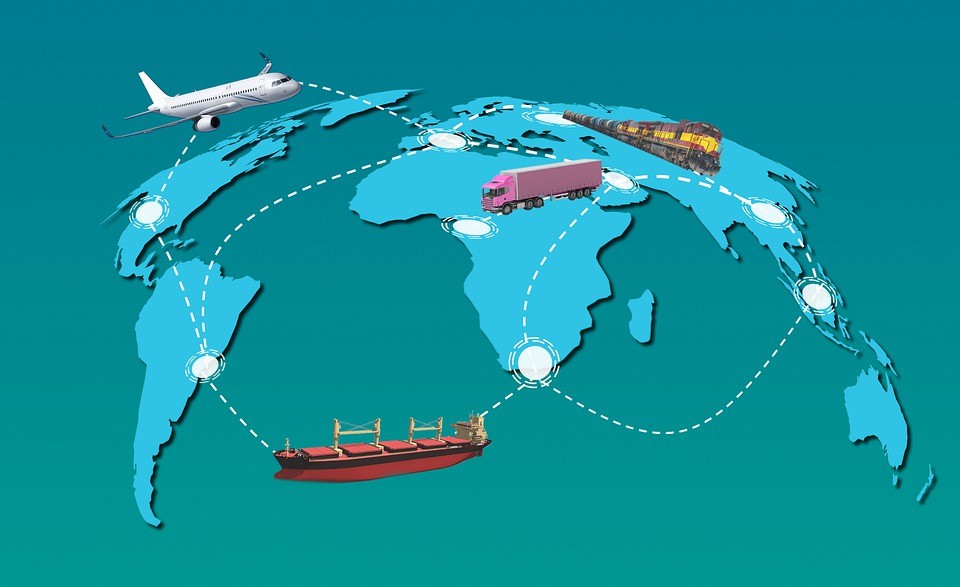
How To Understand Trade to Consumer Issues
The supply chain is an increasingly complex euphemism for trade. From international, national and local levels, the supply chain affects several industry factors from international, national, and local levels. By now, you’ve read or heard about the issues around the world including the supply chain crisis. Those issues include ports being backed up with over 100 container ships. Each container on board the vessel is packed with up to $2 billion in goods. There is also an associated container shortage and a licensed truck driver shortage.
The supply chain issues have grown exponentially since COVID-19, especially with rolling transcontinental stay-at-home orders. Factor in the one to three weeks of quarantine when you contract COVID-19 and those who tragically lost their lives to this deadly virus, and the supply chain is crumbling one issue at a time. When you factor in long lead times, tariffs, rising wages and electronics–the supply chain issues have caused a true crisis.
What is The Supply Chain?
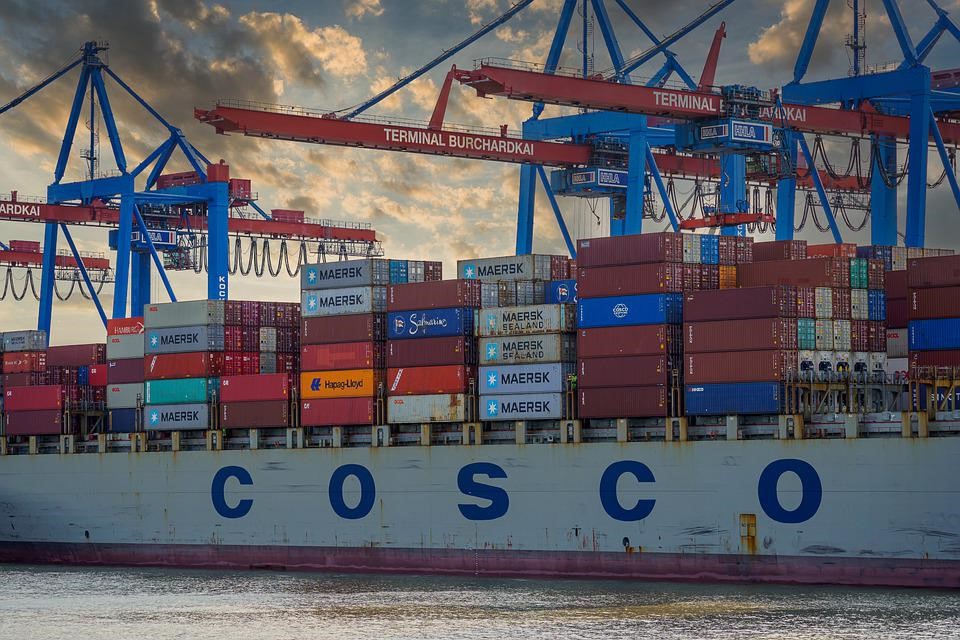
The supply chain is a system of people and businesses who produce and deliver goods, products and services. These people include manufacturers, warehouses, transportation services, vendors and retailers, as well as distributors. The supply chain operates from development stages to finance, production, distribution and marketing. You also have warehouses and operations that help continue this trade on a global scale. The supply chain crisis has caused effective supply chain management to decline, causing outrageous inflation such as a 500% markup on shipping containers. The cost of one shipping container went from $1500 to upwards of $40,000. That’s not the only thing causing this crisis in the supply chain. According to Forbes, “Facing long lead times due to low product availability forces companies to commit more capital further in advance. This puts enormous strain on operations leaders to assess what consumers or business partners might require several months in advance. The forecast’s accuracy declines in step with the length of the predictions, meaning manufacturers must abandon the standard just-in-time delivery for many market segments as it does not withstand crises.”
How Supply Chain Affects Wages

No matter which end of the political spectrum you fall, the rise in wages over the last three years has also contributed to the rising cost in the supply chain. For instance, if a farm hand-picks 100 tomatoes per hour and earns $10 an hour, that equals 10 cents per tomato in labor cost. Today, wages are $20 an hour for a farm hand with zero increase in output. Labor is now 20 cents per tomato. If the wages double, it is impossible to avoid inflation.
The media do not explain this information. We usually read or hear from media outlets like PBS, “E-commerce activity has simply mushroomed to levels that never existed before the pandemic.” We understand there is inflation, but why is it truly happening? With no real explanation from the Federal Reserve, except the claim that this growing inflation was temporary in 2021, the supply chain issues have turned into an actual crisis–and seem to be permanent.
How Supply Chain Affects Electronics

Specific to the electronics industry, there is a unique dynamic that will have a lasting impact on the supply chain. Like no other in history, this considerable impact lies in the massive proliferation and growth in every vertical of technology. The exacerbating influence of various verticals and products that did not exist even a few years ago are now multi-billion dollar industries.
Industries like gaming, robotics, AI, drone technology, 3D printing and self-driving cars are all part of an industry that cross-pollinates. It creates completely new industries in a rapidly accelerating manner. However, the supply chain crisis is simultaneously causing an exponential increase in computational density across many industries. What does that mean? Higher product costs with higher tariffs mean higher prices for consumers.
Can Supply Chain Issues Be Resolved?

Maybe. Economy strategists and logistics specialists alike have been looking for possible solutions. Understanding each vertical in the supply chain of technology being affected can also help you determine better regional strategies for the supply chain management. Whether you work in the IoT, industrial electronics applications, chip fab or renewable energy–we can help you decipher the supply chain crisis one industry at a time.